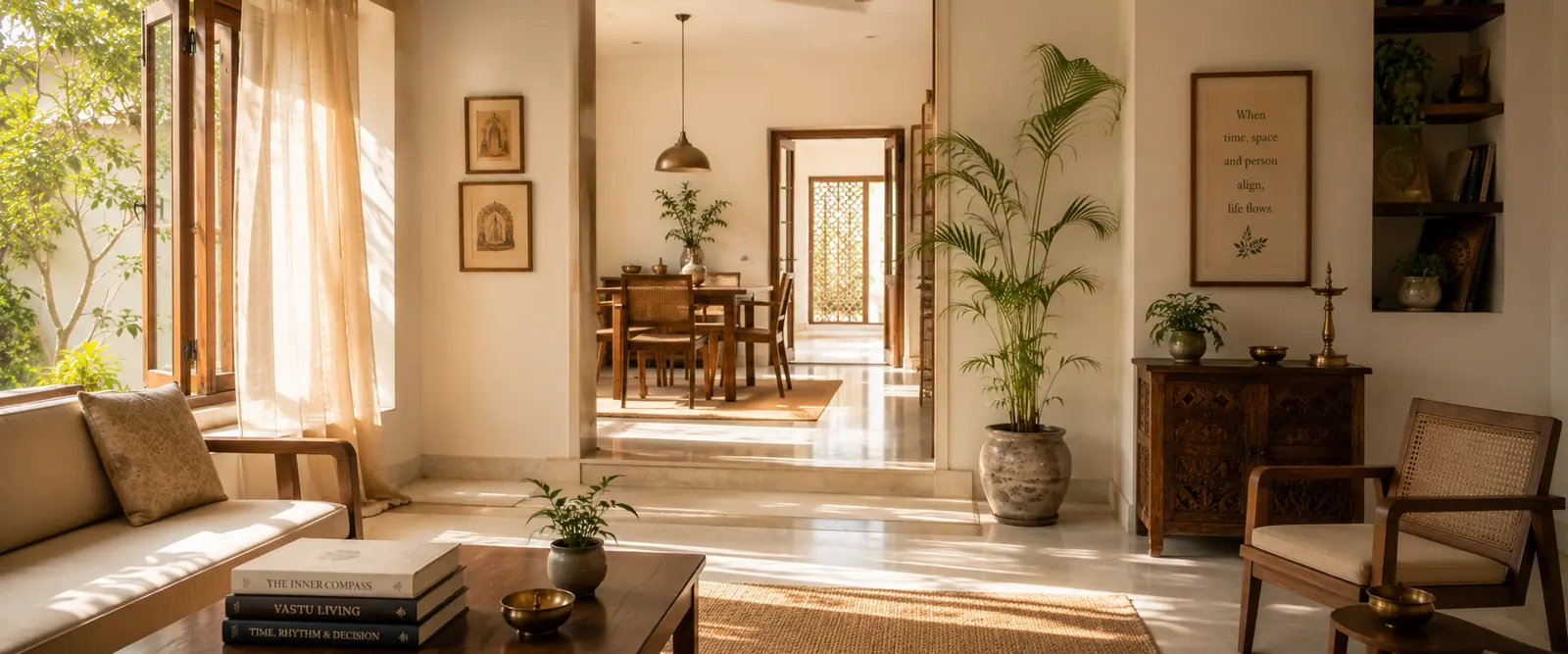
When a place starts shaping your mood.
Most of life happens in a few places. When these places support you, life feels lighter. When they don’t, even small days feel heavy — without a clear reason.
You may recognise these feelings.
People often say they are tired, unfocused, or inexplicably irritated — without a clear cause. Very often, the issue isn’t motivation or discipline. It’s the environment silently working against you.
“I’m tired all the time.”
“My child doesn’t settle.”
“I can’t focus at home.”
“I feel irritated without knowing why.”
Rest
Rest doesn’t come easily, even when you’re exhausted
Children
Children don’t settle naturally in their space
Focus
Focus feels difficult without a clear reason
Drain
The same place feels strangely draining over time
Conversation
Conversations at home feel heavier than they should
Recovery
Mood resets more slowly after being home
A space influences more than we realise.
- Sleep — How deeply you rest, and whether you wake recovered or already fatigued.
- Focus — How long attention lasts before it fragments into restlessness.
- Children — How easily they calm down, and how well they settle into study or sleep.
- Relationships — How conversations flow, and whether home feels like recovery or friction.
- Mood — How relaxed or restless you feel, without an obvious cause.
Some spaces help you recover. Some keep you switched on all the time.
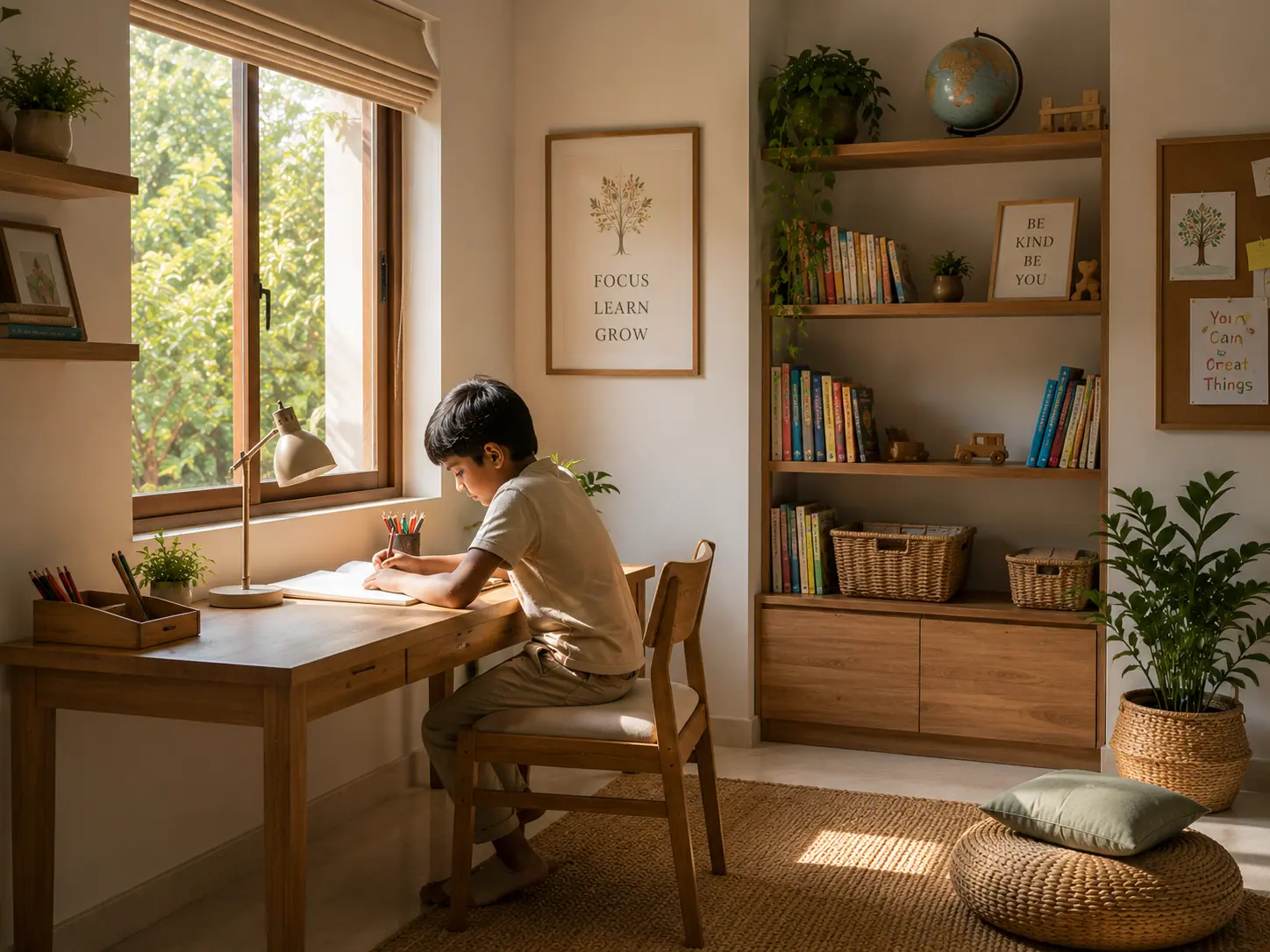
What Oottar works with
Not ideal floor plans. Not showroom environments. Actual spaces where life happens — with all their constraints.
Homes & Apartments
- Living areas and bedrooms
- Kitchen and dining spaces
- Entry points and corridors
- Balconies and outdoor extensions
Workspaces
- Work-from-home setups
- Offices and cabins
- Studios and clinics
- Customer-facing environments
Children’s Spaces
- Study areas and desks
- Bedrooms and sleep zones
- Play and recovery spaces
- Shared family areas
Specialised Spaces
- Shops and retail environments
- Event and gathering venues
- New office setups and launches
- Spaces under renovation
How Oottar looks at space
Vastu, supported by Jyotish, used as an orientation tool — not as fear-based rules. No dosha anxiety. No demolition advice.
Direction
What activity happens where — and whether directional placement is creating friction or supporting ease.
Flow
How movement and energy circulate through the space — and where they stagnate or accelerate unnecessarily.
Layout
Furniture placement and its relationship to activity — whether arrangements support how you actually use the space.
Colour & Light
What calms versus agitates — how light quality, direction, and colour tone influence mental states through the day.
Entry & Exit
The psychological impact of how a space is entered — and how it transitions between activity zones.
Nature & Elements
How plants, water, air, and light shape daily rhythm and recovery.
Most changes are small, practical, and renter-friendly.
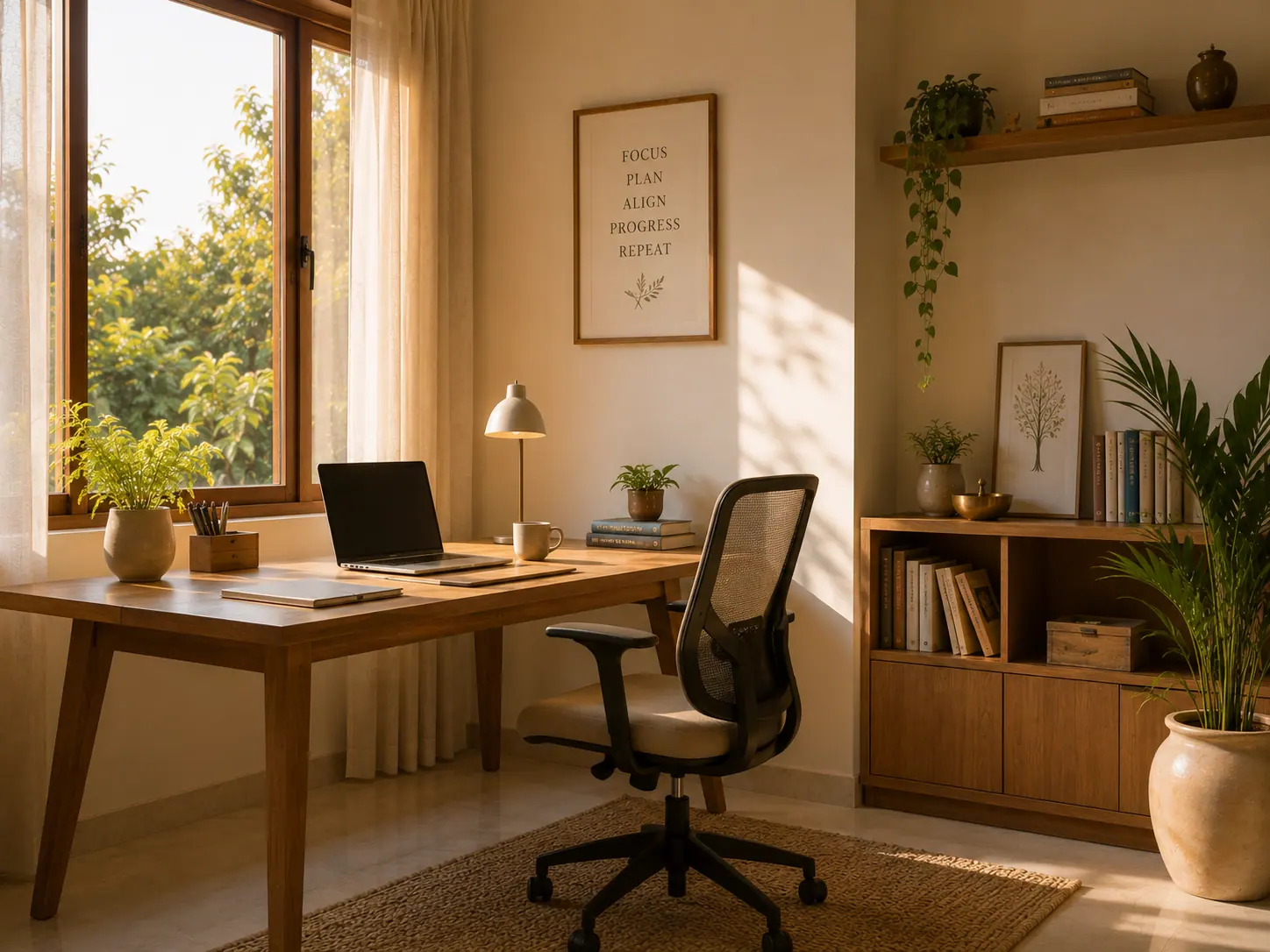
After space alignment
Not because life changed — but because the space stopped creating resistance. People often notice these shifts within days or weeks of small adjustments:
- Better sleep without changing routine
- Improved focus without forcing habits
- Children settling more naturally
- Less irritation in the same space
- Calmer conversations at home
- A general sense of ease returning

Does your space feel right?
You don’t need to diagnose anything. Start by noticing: “Do I feel rested here?” — that’s enough to begin a conversation.
A calm first step to see whether your environment is playing a role. No selling. No obligation.